A plain language guide to the protection you are buying and the policy terms that matter before you fly.
The short answer
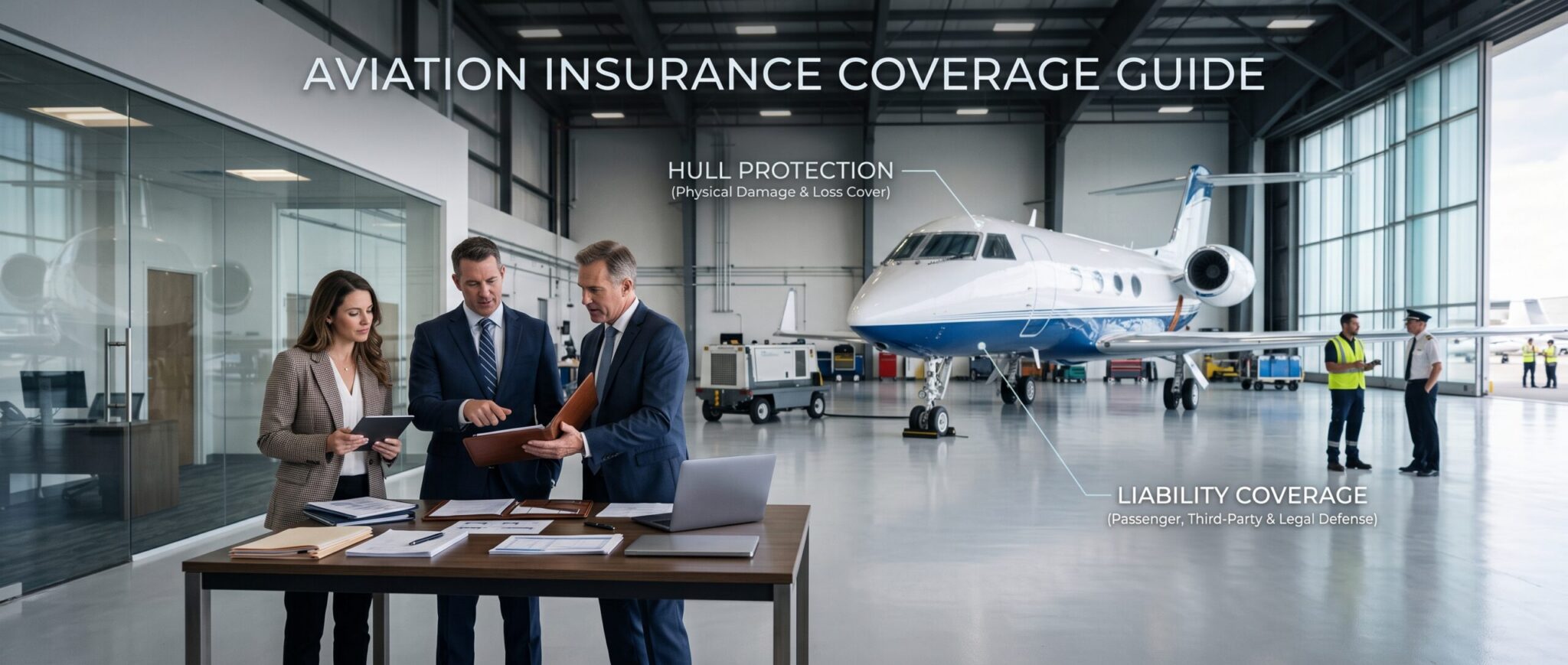
Most aircraft insurance policies are built around two main protections: physical damage coverage for the aircraft and liability coverage for bodily injury and property damage claims made against you.
Your policy also controls who can fly the aircraft, how the aircraft can be used, where it can be operated, and what you must do after a loss. Those details can be just as important as the liability limit or the value shown for the aircraft.
Aircraft owners should consider the total premium, but it is only one part of the decision. A lower priced quote is not better if it excludes a pilot, restricts how you use the aircraft, or provides less liability protection than you expected.
Physical damage coverage
Physical damage coverage, often called hull coverage, is the part of the policy intended to protect the insured aircraft from covered physical loss or damage. It may apply while the aircraft is moving, in flight, parked, stored, or being handled on the ground, depending on the coverage purchased and the policy wording.
The aircraft will normally have an insured value shown on the policy. In many aviation policies, that value is the amount used to settle a covered total loss. A covered partial loss is generally handled under the repair provisions of the policy, subject to the insured value, deductibles, exclusions, and other terms.
The value should account for the aircraft, installed avionics, equipment, and meaningful upgrades. The goal is not to pick the lowest number to reduce premium or the highest number because it feels safer. Select a value that can be supported and reflects the aircraft you own.
Liability coverage
Liability coverage is intended to respond when an insured becomes legally responsible for covered bodily injury or property damage arising from the ownership, maintenance, or use of the aircraft. It may also include the insurer’s duty to investigate and defend a covered claim, subject to the policy terms.
The first number most owners notice is the each occurrence limit. That number is important, but it may not tell the whole story. A policy may contain a separate limit for each passenger or each person. For example, a policy may show a total limit for one occurrence while limiting how much of that total is available for injury to any one passenger.
A smooth liability limit generally means the occurrence limit is not divided by a lower passenger or person sublimit. It is not available for every aircraft or pilot, and the price and underwriting requirements may differ.
Medical payments and other coverages
Most policies include medical payments for eligible expenses after a covered occurrence, usually without a decision about fault. The amount, eligible people, and conditions vary by policy.
Some policies also offer extensions for emergency expenses, search and rescue, replacement aircraft, baggage, spare parts, or premises exposures. These benefits differ by insurer. Read the form and endorsements, not just the quote summary.
Who can fly the aircraft
The policy will describe the pilots who are permitted to operate the aircraft. It will name specific pilots, and may either establish an open pilot warranty, or restrict who can fly the aircraft to only named pilots. It may also require training, a checkout, mentor time, simulator training, or a minimum amount of experience before a pilot acts as pilot in command.
Do not assume that a pilot is covered because the pilot is legal under FAA rules, has more experience than you, or meets the requirements imposed by a lender or training provider. FAA qualification and insurance approval are different.
How the aircraft may be used
The policy also describes the approved use of the aircraft. Personal and business use is different from rental, instruction for compensation, charter, or another commercial operation. If you change how the aircraft is being used, the insurer may need additional information, different terms, or a different policy.
This is an area where owners can create the potential for an uninsured incident without meaning to. Accepting money, entering a lease, placing the aircraft into a management program, or allowing regular use by another person should be discussed before the arrangement begins.
Territory, conditions, and exclusions
Policies identify where the aircraft may be operated and where coverage applies. A trip outside the approved territory may require advance approval or separate local coverage. Mexico is a common example because local liability requirements can apply even when a United States policy shows coverage in that territory.
Every policy also contains conditions and exclusions. Conditions explain what the insured must do. Exclusions identify losses or circumstances the policy does not cover. Endorsements change the standard form. The declarations page shows the aircraft, limits, values, pilots, uses, and other details for your policy
Common areas that require a close look include wear and tear, mechanical breakdown, unauthorized use, unapproved pilots, contractual obligations, operations outside the territory, war risks, and property that is not part of the insured aircraft.
Five questions to ask about your policy
● Who is permitted to fly the aircraft, and what training must each pilot complete?
● What uses are permitted, and what activities require advance approval?
● What value is assigned to the aircraft, and does it reflect the current equipment and market?
● Does the liability limit contain a passenger or person sublimit?
● What changes must I report during the policy period?
The point
Aircraft insurance is more than a premium. Two quotes that look similar on the first page can treat pilots, uses, values, and coverage very differently.
Your aviation insurance broker should understand how FAA regulations and insurance policy requirements differ. Their job is to explain those differences, help you understand how they apply, and give you the information needed to make a confident decision. You should understand your coverage before you need to use it.
“A Not sure what your aircraft policy covers? Ryan Aviation Insurance can review your current policy, explain the important terms in plain language, and identify the questions worth addressing before your next flight or renewal.“
This article provides general educational information and is not a coverage determination or legal advice. Coverage varies by insurer, policy form, endorsements, aircraft, pilots, and operation. The issued policy and applicable endorsements are controlling.